

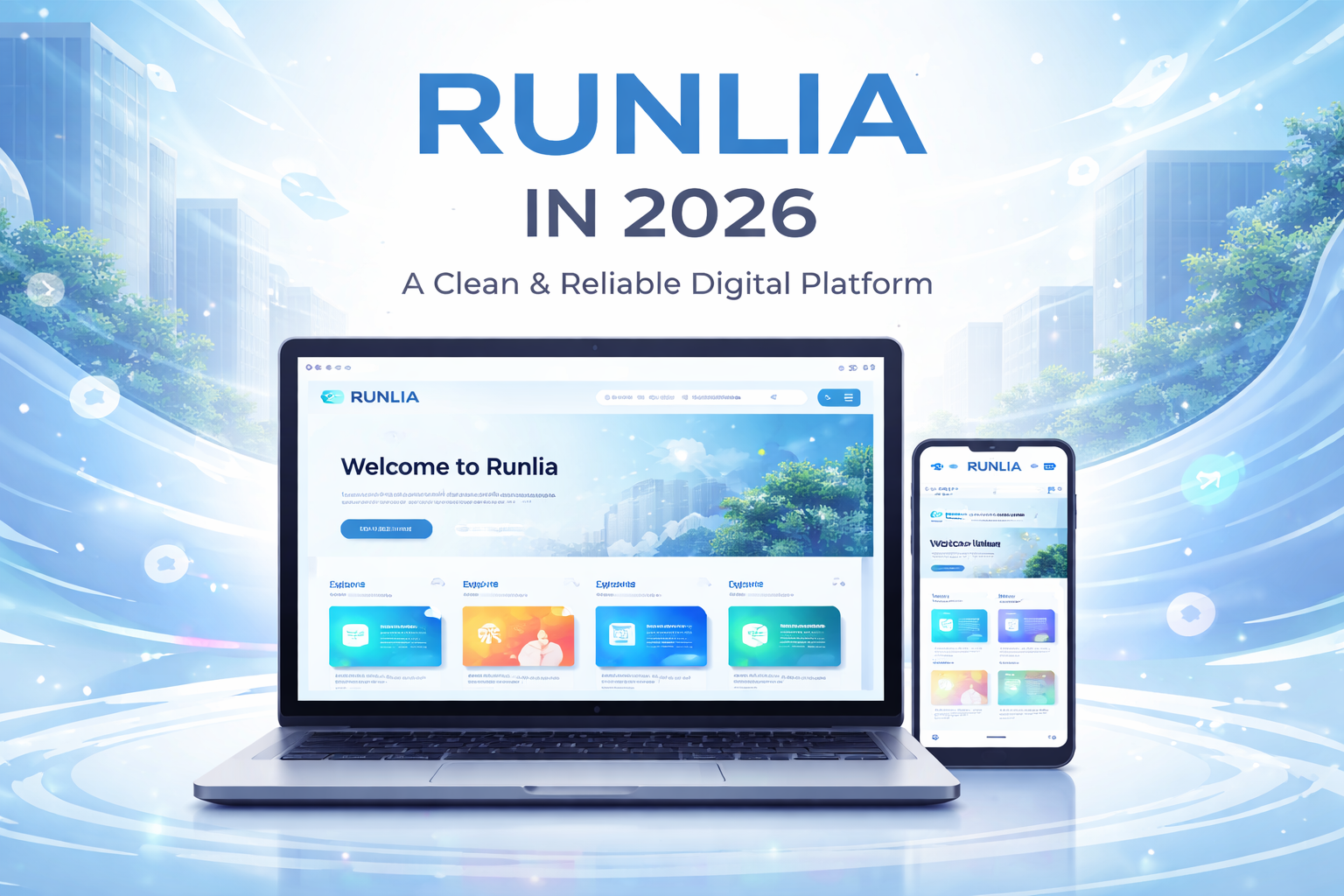
The digital landscape in 2026 is more competitive than ever. Users are no longer impressed by flashy features alone; instead, they value platforms that are stable, easy to use, and genuinely helpful. A clean interface, reliable performance, and a user-first mindset have become essential standards rather than optional extras. Runlia fits naturally into this modern environment by focusing on what truly matters to users: clarity, trust, and consistency.
The Shift Toward Experience-Driven Platforms
Over the past few years, user expectations have evolved significantly. People want platforms that load quickly, work smoothly on all devices, and present information without confusion. Complex layouts and unnecessary elements often push users away rather than attract them.
In 2026, successful digital platforms are those that respect the user’s time. They guide visitors clearly, reduce friction, and provide a comfortable browsing experience. This shift toward experience-driven design has changed how platforms are built and maintained.
Clean Design as a Core Principle
A clean design is not just about visual appeal; it is about functionality and comfort. White space, readable typography, and organized layouts help users focus on content without distractions. Clean design also enhances accessibility, allowing users from different backgrounds and skill levels to interact easily.
Modern platforms emphasize simplicity because it leads to better engagement. When users can understand a platform instantly, they are more likely to stay longer and return in the future. This approach reduces frustration and builds confidence from the first interaction.
Reliability Builds Long-Term Trust
Reliability is one of the most important factors in digital success. Users expect platforms to work smoothly without crashes, broken links, or slow response times. Even a visually impressive platform can lose credibility if it fails to perform consistently.
In 2026, reliability means more than just uptime. It includes stable performance during high traffic, consistent behavior across devices, and predictable navigation. When users know what to expect every time they visit, trust develops naturally.
Performance and Speed Expectations
Speed remains a top priority for users. Research consistently shows that slow-loading pages increase bounce rates and reduce engagement. Modern users are accustomed to instant results, and delays of even a few seconds can lead to frustration.
Optimized platforms focus on lightweight design, efficient coding, and smart resource management. These elements work together to ensure that pages load quickly and interactions feel smooth. Fast performance not only improves user satisfaction but also supports better search visibility.
Mobile-First Is No Longer Optional
By 2026, mobile usage will dominate most online activity. A platform that performs well only on desktop is already outdated. Responsive design ensures that layouts adapt seamlessly to different screen sizes, maintaining usability on smartphones, tablets, and desktops.
Mobile-friendly platforms prioritize touch-friendly navigation, readable text, and balanced spacing. This approach ensures that users enjoy the same quality experience regardless of the device they choose. Consistency across devices strengthens brand reliability and user loyalty.
Intuitive Navigation Matters
Navigation plays a critical role in how users perceive a platform. Clear menus, logical categories, and visible pathways help users find what they need quickly. Poor navigation can make even high-quality content feel inaccessible.
Modern digital platforms focus on an intuitive structure. They anticipate user behavior and guide visitors naturally from one section to another. This reduces confusion and encourages deeper exploration without overwhelming the user.
Content That Respects the Reader
Quality content remains essential in 2026, but presentation is just as important as substance. Users prefer content that is well-structured, easy to scan, and written in a clear tone. Short paragraphs, meaningful headings, and a logical flow improve readability.
Instead of overwhelming users with excessive information, effective platforms prioritize relevance. They provide content that answers questions, solves problems, or offers genuine value. This approach strengthens engagement and supports long-term retention.
Consistency Across the Platform
Consistency creates a sense of professionalism and reliability. When design elements, tone, and functionality remain uniform throughout a platform, users feel more comfortable navigating it. Sudden changes in layout or behavior can break trust.
In 2026, consistency also extends to updates and improvements. Platforms that evolve gradually while maintaining their core structure feel stable and dependable. This balance between innovation and familiarity is key to sustainable growth.
A User-First Digital Environment
The most successful platforms are built around the user, not the technology. Every design choice, feature, and update is evaluated based on how it affects the user experience. This mindset leads to smarter decisions and better outcomes.
By prioritizing usability, performance, and clarity, platforms create environments where users feel valued. A user-first approach also encourages feedback and continuous improvement, ensuring that the platform remains relevant over time.
Looking Ahead
As digital standards continue to rise, only platforms that focus on cleanliness and reliability will stand out. Users are quick to leave environments that feel cluttered, slow, or unreliable. They gravitate toward platforms that feel effortless and trustworthy.
Runlia represents this modern philosophy by aligning with the expectations of 2026 users. Through clean design, dependable performance, and a strong focus on user comfort, it reflects the direction in which digital platforms are moving. In an era where experience defines success, reliability and simplicity remain the strongest foundations.
Visit : vyvymangatech.com