


Introduction
In today’s rapidly evolving digital world, businesses are no longer judged only by innovation and profitability — sustainability has become equally important. As climate change, energy crises, and environmental awareness increase, companies and digital platforms are shifting toward eco-smart technology to support responsible growth.
Eco-smart technology refers to digital systems, tools, and infrastructures that reduce environmental impact while increasing efficiency, productivity, and long-term scalability. It blends green practices with smart digital innovation, creating a future where technology and sustainability grow together.
This approach is not just ethical — it’s strategic. Eco-smart solutions reduce costs, improve brand trust, enhance performance, and future-proof digital businesses.
Understanding Eco-Smart Technology
Eco-smart technology combines two powerful ideas:
- Eco → Environmental responsibility
- Smart → Intelligent digital systems
It focuses on:
- Energy efficiency
- Sustainable infrastructure
- Low-carbon digital systems
- Smart automation
- Resource optimization
- Green innovation
Instead of traditional technology that consumes high energy and creates digital waste, eco-smart systems are designed to use less, produce more, and waste nothing.
Why Eco-Smart Technology Matters in Digital Growth
Digital growth is no longer just about scaling fast — it’s about scaling responsibly. As data centers, cloud services, AI systems, and digital platforms expand, their environmental footprint grows as well.
Eco-smart technology helps digital businesses:
- Reduce operational costs
- Save energy
- Lower carbon emissions
- Improve system performance
- Build brand credibility
- Meet future regulations
- Attract eco-conscious users
- Increase long-term sustainability
Smart sustainability is now a competitive advantage.
Core Pillars of Eco-Smart Digital Technology
1. Green Cloud Computing
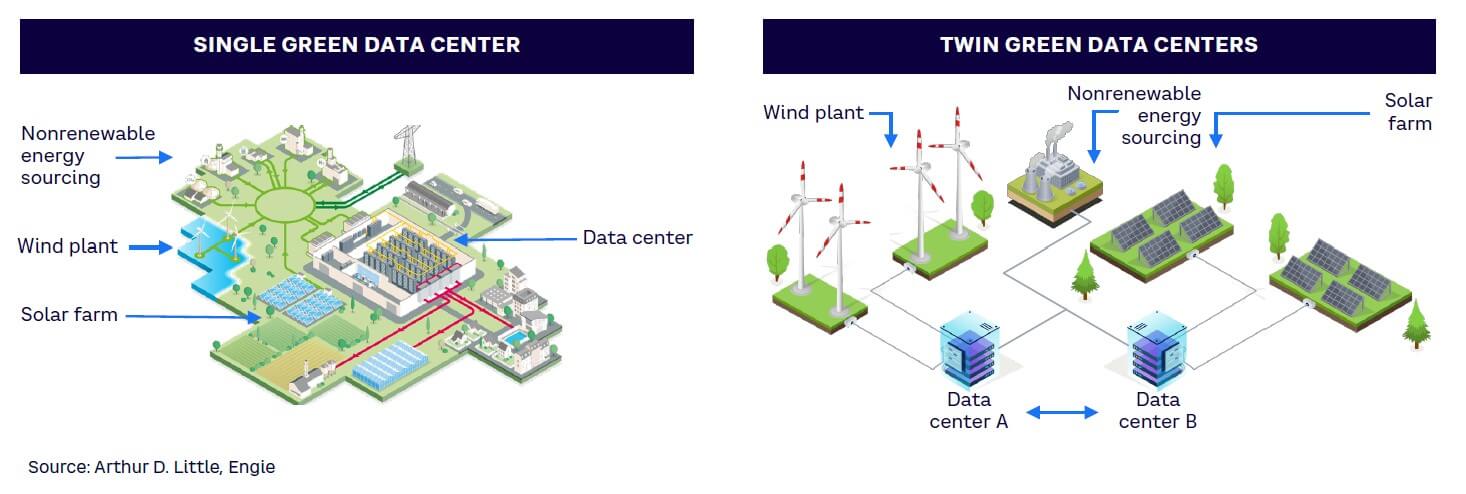
Green cloud systems use optimized servers, renewable energy, and intelligent resource management to reduce energy consumption.
Benefits:
- Lower electricity usage
- Reduced cooling costs
- Efficient data processing
- Sustainable infrastructure


2. Energy-Efficient Software Design
Eco-smart software is designed to:
- Use fewer system resources
- Reduce server load
- Optimize processing
- Improve performance per watt
Lightweight code, optimized databases, and efficient algorithms directly reduce energy usage.
3. Smart Automation Systems
AI-powered automation reduces waste and human error while improving operational efficiency.
Examples:
- Smart logistics
- Automated energy control
- AI resource management
- Predictive maintenance
- Digital workflow automation


4. Digital Sustainability Infrastructure
Eco-smart infrastructure includes:
- Renewable-powered data centers
- Green hosting platforms
- Low-energy networks
- Sustainable hardware lifecycle
- Carbon-neutral servers
This creates a clean digital foundation for growth.
How Eco-Smart Technology Drives Digital Growth
1. Cost Optimization
Sustainable systems consume less energy, require fewer resources, and reduce maintenance costs.
This leads to higher profitability vyvymanga and long-term savings.
2. Scalable Growth
Eco-smart platforms are designed for efficient scaling, allowing businesses to grow without increasing environmental impact at the same rate.
3. Brand Trust & Reputation
Consumers trust brands that care about sustainability.
Eco-smart digital growth builds:
- Brand loyalty
- Ethical credibility
- Market trust
- Customer engagement
4. Performance Improvement
Optimized systems mean:
- Faster processing
- Lower downtime
- Better reliability
- Higher system stability
Sustainability and performance grow together.
5. Regulatory Readiness
Future digital laws will focus on:
- Energy usage
- Carbon reporting
- Environmental compliance
Eco-smart systems prepare businesses for future regulations automatically.
Key Technologies Powering Eco-Smart Digital Growth
Artificial Intelligence (AI)
- Smart energy optimization
- Predictive resource usage
- Intelligent system control
- Smart traffic routing
Internet of Things (IoT)
- Smart grids
- Energy monitoring
- Smart buildings
- Intelligent sensors
Blockchain (Green Models)
- Transparent energy tracking
- Sustainable supply chains
- Digital carbon credits
Cloud Optimization Tools
- Server load balancing
- Smart data allocation
- Energy-aware computing


Eco-Smart Technology in Different Digital Sectors
E-Commerce
- Green hosting
- Smart logistics
- AI inventory management
- Digital receipts
- Sustainable packaging systems
Fintech
- Paperless systems
- Low-energy data processing
- Digital transactions
- Green blockchain models
Education Tech
- Digital learning platforms
- Cloud classrooms
- Smart energy campuses
Healthcare Tech
- Smart monitoring systems
- Digital records
- AI diagnostics
- Sustainable infrastructure
Benefits of Eco-Smart Digital Growth
- 🌱 Environmental protection
- 💰 Reduced operational costs
- 📈 Sustainable scalability
- ⚙️ High efficiency
- 🔐 System reliability
- 🌍 Global trust
- 📊 Smart analytics
- 🧠 Intelligent automation
- 📱 Future-ready digital platforms
Challenges in Implementing Eco-Smart Technology
Despite its benefits, businesses may face:
- Initial investment costs
- Infrastructure transition
- Technical skill gaps
- Integration complexity
- Legacy system compatibility
However, long-term benefits far outweigh these challenges.
Future of Eco-Smart Technology
The future digital economy will be:
- Carbon-aware
- Energy-optimized
- AI-driven
- Fully automated
- Environmentally intelligent
- Digitally sustainable
Eco-smart technology will become the standard, not the option.
Digital growth will no longer be measured only in profits — it will be measured in positive environmental impact + innovation value.
Strategic Roadmap for Businesses
To adopt eco-smart technology:
- Audit digital energy usage
- Shift to green hosting
- Optimize software systems
- Integrate smart automation
- Adopt sustainable infrastructure
- Implement AI optimization tools
- Track environmental performance
- Build green digital policies
- Educate teams
- Scale responsibly
Conclusion
Eco-Smart Technology for Digital Growth is not a trend — it is a transformation.
It represents a future where:
- Technology grows without harming nature
- Innovation supports sustainability
- Digital success supports environmental balance
- Growth becomes responsible and intelligent
Businesses that adopt eco-smart strategies today will become the leaders of tomorrow’s digital economy.
Digital growth without sustainability is temporary.
Eco-smart digital growth is permanent, powerful, and future-proof.